
Which coffee machine is best for home use?
For a home coffee machine, consider espresso makers (like Breville, De’Longhi for quality shots), pod machines (Nespresso for convenience), or drip coffee makers (OXO, Electrolux for simple brewing), depending on your preference for convenience, variety, or barista-style control, with options ranging from budget-friendly to premium automatic machines with built-in grinders for fresh beans. Popular brands include Breville, De’Longhi, Nespresso, and Philips, offering various features like frothers or integrated grinders for lattes, cappuccinos, and americanos.
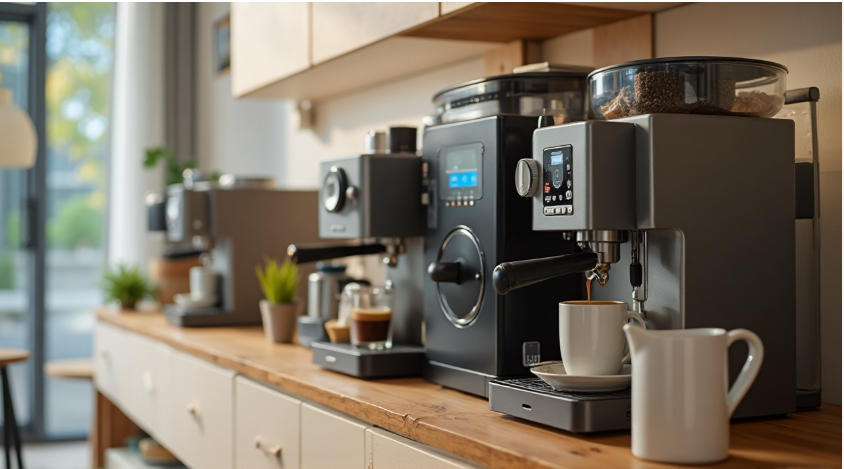
Types of Home Coffee Machines
- Espresso Machines: Best for espresso, lattes, cappuccinos.
- Manual/Semi-Automatic: Offer more control (e.g., Breville Bambino Plus, De’Longhi Dedica).
- Automatic/Super-Automatic: Grind beans, brew, and froth milk at the touch of a button (e.g., De’Longhi Dinamica).
- Pod Machines: Super convenient for single servings.
- Nespresso: Popular for capsules, variety of sizes (Vertuo, OriginalLine).
- Drip Coffee Makers: Ideal for larger batches of classic coffee.
- Basic Drip: Simple and affordable (e.g., Black+Decker).
- Specialty Drip: Offer features like temperature control (e.g., OXO Brew).
- All-in-One/Combo Machines: Combine espresso and drip functions or have built-in grinders.
Top-Rated Brands & Models
- Breville: Barista Express Impress (built-in grinder/tamp), Bambino Plus (great shots).
- De’Longhi: Eletta Explore (all-in-one), Dinamica (automatic), Dedica (pump espresso).
- Nespresso: Vertuo (versatile), Essenza Mini (compact), Lattissima (milk frothing).
- KitchenAid: Offers premium automatic machines.
- Aarke/OXO: Good for drip coffee and non-toxic options.
Key Features to Consider
- Built-in Grinder: For the freshest coffee flavor.
- Milk Frother: For lattes and cappuccinos (integrated or separate).
- Ease of Use: Pods are easiest; espresso machines offer more control.
- Size: Compact models fit smaller kitchens.
To choose, decide if you prioritize convenience (pods), variety (drip), or barista quality (espresso), and then look for specific models within your budget that offer features like grinding or frothing.
Coffee machines for home FAQ
1. Is a coffee machine at home worth it?
The short answer: Yes, if you drink coffee daily.
The breakdown:
- Cost Savings: If you buy one coffee a day at $4–$5, you spend roughly $150/month. A good home machine pays for itself within 6 to 12 months.
- Convenience: Skipping the morning line and having coffee in your pajamas is a luxury many people pay for.
- Customization: You control the strength, temperature, and milk ratio exactly how you like it.
- The Downsides: You have to clean it. Descaling, emptying puck bins, and wiping milk frothers are chores you don’t have at a café. If you are lazy about cleaning, a machine may become a headache.
2. Which coffee machine is best for home use?
The “best” machine depends on how much effort you want to put in. Here are the top three categories:
A. The “I Want It Now” (Pod/Capsule Machine)
- Best for: Speed, zero mess, and consistency.
- Top Pick: Nespresso Vertuo Next or Original Line.
- Why: It makes a genuine espresso-style coffee in under a minute with almost no cleanup. The downside is the cost per pod is higher than buying beans, and you generate plastic/aluminum waste.
B. The “Fresh Coffee without the Barista Skills” (Bean-to-Cup)
- Best for: People who want lattes/cappuccinos but don’t want to tamp grinds or learn latte art.
- Top Pick: De’Longhi Magnifica S (Budget) or Jura ENA 8 (High-end).
- Why: You press one button, and it grinds, tamps, brews, and froths milk automatically.
C. The “Home Barista” (Manual Espresso)
- Best for: Coffee hobbyists who want the highest quality and enjoy the process.
- Top Pick: Breville Barista Express or Gaggia Classic Pro.
- Why: These use a portafilter. You grind the beans, tamp them down, and pull the shot. The Breville is great because it has a built-in grinder; the Gaggia is a workhorse that lasts forever but requires buying a separate grinder.
3. Which coffee machine is better: Philips or De’Longhi?
Both are excellent brands, but they have different strengths.
- Philips (specifically the Philips 3200/4300 Series):
- Strength: Milk System. Philips uses the “LatteGo” system, which has only two parts (no tubes) and can be cleaned in 10 seconds under a tap.
- Verdict: Choose Philips if you drink cappuccinos or lattes and hate cleaning milk tubes. The ceramic grinders are also very durable and quiet.
- De’Longhi (specifically the Magnifica series):
- Strength: Reliability and Value. De’Longhi is the market leader for a reason. Their machines are robust, easy to repair, and generally offer better value for money.
- Verdict: Choose De’Longhi if you want a workhorse machine that makes great espresso and Americanos, and you don’t mind spending a little extra time cleaning the milk carafe (if you get a milk model).
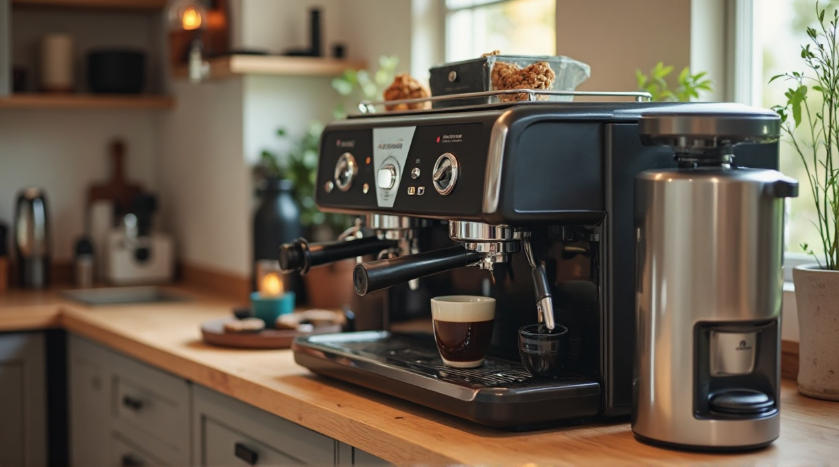
Winner:
- For Milk Drinkers: Philips (LatteGo is unbeatable for ease).
- For Black Coffee/Espresso: De’Longhi (Classic, reliable brew group).
4. What kind of coffee is best for a home machine?
The type of coffee you buy matters just as much as the machine.
- Whole Beans vs. Ground: Always buy Whole Beans. Coffee loses about 60% of its aroma within 15 minutes of being ground. If you buy pre-ground coffee, your expensive machine will never make a great cup.
- Roast Level:Medium or Medium-Dark Roast.
- Why? Very light roasts (often sold for “Pour Over”) are hard for home machines to extract properly and can taste sour. Very dark roasts (like French Roast) are often oily and can clog up the internal gears of your machine. A Medium-Dark roast creates that rich, chocolatey, caramel crema with low risk of clogging.
- Blend vs. Single Origin:
- Blends: (e.g., 80% Arabica / 20% Robusta) are best for espresso. Robusta adds crema and body.
- Single Origin: Great for tasting specific flavor notes (berry, floral), but harder to get right in an espresso machine.
- Freshness: Look for a “Roasted On” date on the bag. Try to use the beans within 3 to 4 weeks of that date.